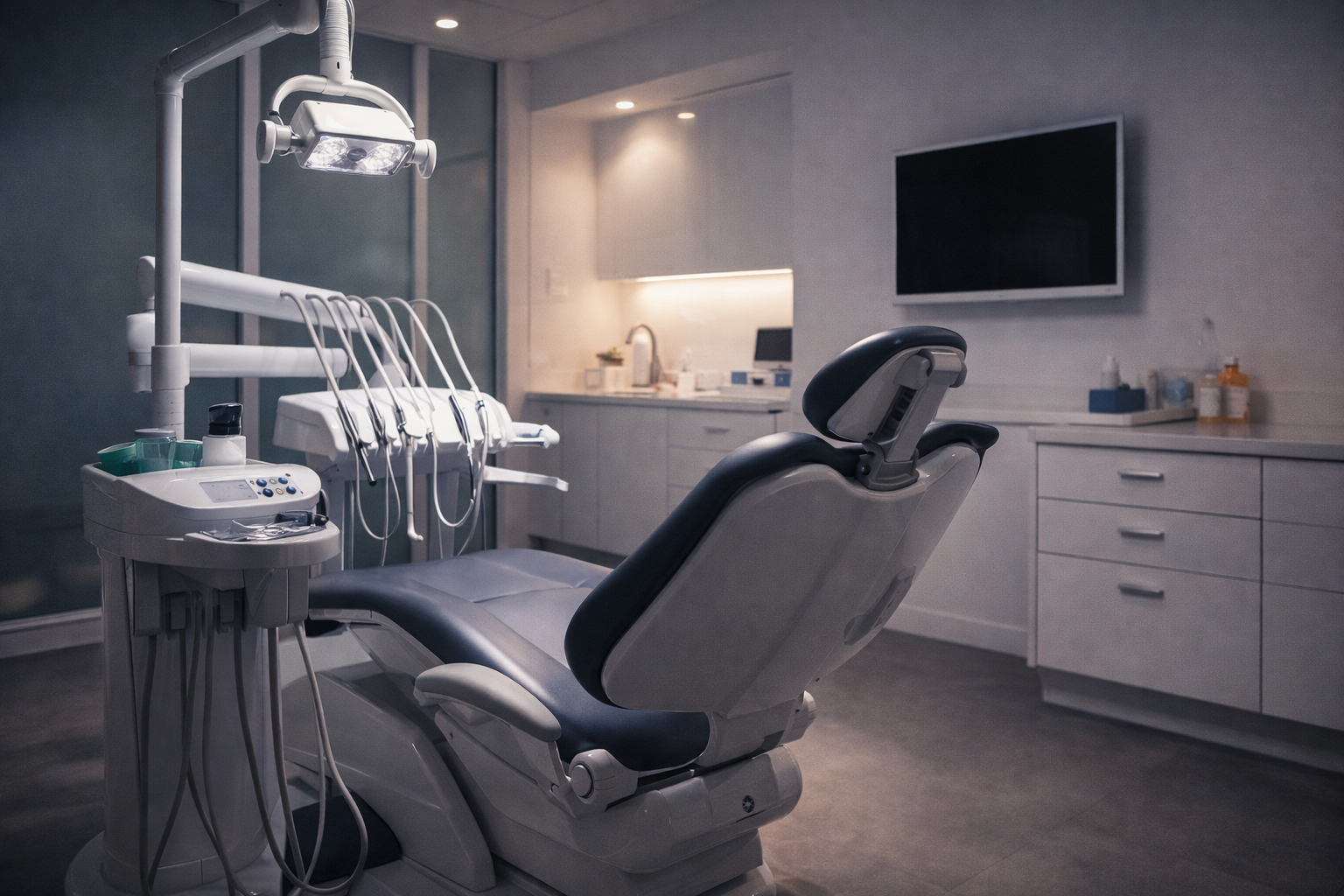
The Math That Changes Everything.
Dental practice economics are uniquely suited to AI search optimization because of one number: patient lifetime value. Research suggests the average dental patient generates $12,000 or more over their lifetime through regular cleanings, treatments, referrals, and family members who follow.
Compare that to the cost of AI search optimization. A custom dental website with AEO built in costs $2,500–$6,000 one-time. Ongoing AI search optimization costs $1,500/month after the first 90 days. A single new patient acquired through AI search pays for the entire investment many times over.
This is why dental practices represent one of the strongest ROI cases for AEO. The patient lifetime value is high, the competition in AI search is virtually nonexistent, and the discovery behavior is shifting rapidly toward AI assistants.
How Patients Search for Dentists in 2026.
Patient search behavior has fractured into three channels. Traditional Google search still drives volume — "dentist near me" remains one of the highest-volume local queries. But two newer channels are growing rapidly:
AI assistants with insurance specificity. Patients don't just ask for "a dentist." They ask "Find me a dentist that takes Cigna and does Invisalign near [zip code]." AI engines that can match this level of specificity provide far more useful recommendations than a generic Google results page — which is why patients are switching to AI for these queries.
AI assistants for treatment research. Before committing to a major procedure — implants, veneers, orthodontics — patients ask AI for education. "What are the pros and cons of dental implants?" "How much do veneers cost?" The practices that have answer-first content addressing these questions become the AI's go-to citation source — and the practice the patient contacts.
What Dental AEO Looks Like.
Insurance-aware schema markup. Standard business schema isn't enough for dental practices. AI engines need to know which insurance networks you accept, which treatments you offer, and which age groups you serve. Dental-specific schema tells AI engines exactly what to recommend you for — not just "dentist" but "pediatric dentist accepting Delta Dental who does Invisalign."
Treatment-specific content. Each major treatment category needs its own answer-first page: implants, veneers, orthodontics, periodontics, pediatric, cosmetic, emergency. Each page leads with a direct answer to the most common patient question about that treatment, followed by detailed information AI engines can cite.
Patient intake qualification. Instead of a generic "Request an Appointment" form, prospective patients answer questions about their insurance, treatment interest, urgency, and dental history. Each answer carries a weighted score. High-value patients (PPO insurance, cosmetic interest, urgency) get flagged for immediate follow-up. The practice knows who to call first.
The Competitor Gap in Dental Marketing.
Most dental marketing companies offer SEO, social media, and PPC — valuable services, but none that address AI search visibility. The dental marketing landscape hasn't caught up to how patients are actually discovering practices in 2026.
| What You Need | Typical Dental Marketing | AEO-Optimized (IECAN) |
|---|---|---|
| AI visibility | Not addressed | Built into every page |
| Insurance-specific schema | None | Networks, treatments, age groups |
| Patient intake | Generic appointment request | Scored qualification system |
| Treatment content | Blog posts (often AI-generated) | Answer-first pages AI engines cite |
| File ownership | Varies (often locked) | You own every file |
| Monthly cost | $500–$5,000+/month | $1,500/mo AEO (optional, after 90 days) |
The practices that invest in AI search optimization now — while their competitors are still running Facebook ads and generic SEO — build entity recognition that compounds over time. AI engines learn which practices to trust. The early movers capture that trust before the market gets crowded.